
Fibres and Fabrics: Weaving Brantford’s Textile History - A Pop-Up Exhibit
WHO
The Common Threads: The Textile Industry in Brantford and Brant County pop-up exhibit is a collaborative project between the Brant Historical Society, the Canadian Industrial Heritage Centre (CIHC), and the Paris Museum & Historical Society, made possible through funding from the Ontario Trillium Foundation. Together, these organizations highlight the people, businesses, and industries that helped shape the Brant region’s economic and cultural identity.
WHAT
Common Threads explores the significant role of textile and garment manufacturing in Brantford and Brant County. The exhibit showcases local manufacturers such as Kitchen Overalls, Slingsby’s Wool Mill, and Mary Maxim, illustrating how textiles contributed to industrial growth, employment, and community life.
WHEN
The exhibit officially opens on Wednesday, September 24, with a public launch event at the Brant Museum and Archives from 5:30 to 7:00 p.m. The display will remain on view until January/February 2026, allowing visitors ample time to explore Brantford’s textile heritage.
WHERE
Common Threads is hosted at the Brant Museum and Archives at 57 Charlotte Street, Brantford, a key cultural institution dedicated to preserving and interpreting the region’s history. The museum provides a fitting space to examine how textile manufacturing once operated at the heart of Brantford’s industrial landscape.
WHY
Textile manufacturing played a critical role in Brantford’s transformation from a small settlement into a thriving industrial city. During the late nineteenth and early twentieth centuries, factories and mills shaped land use, employment patterns, and urban development across the city (Brantford Expositor, 1927). By highlighting local industries, businesses, and individuals, this exhibit connects everyday items such as clothing, yarn, and fabric to broader stories of labour, innovation, and community identity. These stories are not just historical facts; they reflect the lived experiences and resilience of the people who built and sustained Brantford, helping preserve the city’s industrial heritage and deepen understanding of how its social, economic, and cultural landscape continues to evolve today.
Manufacturers That Shaped the Industry
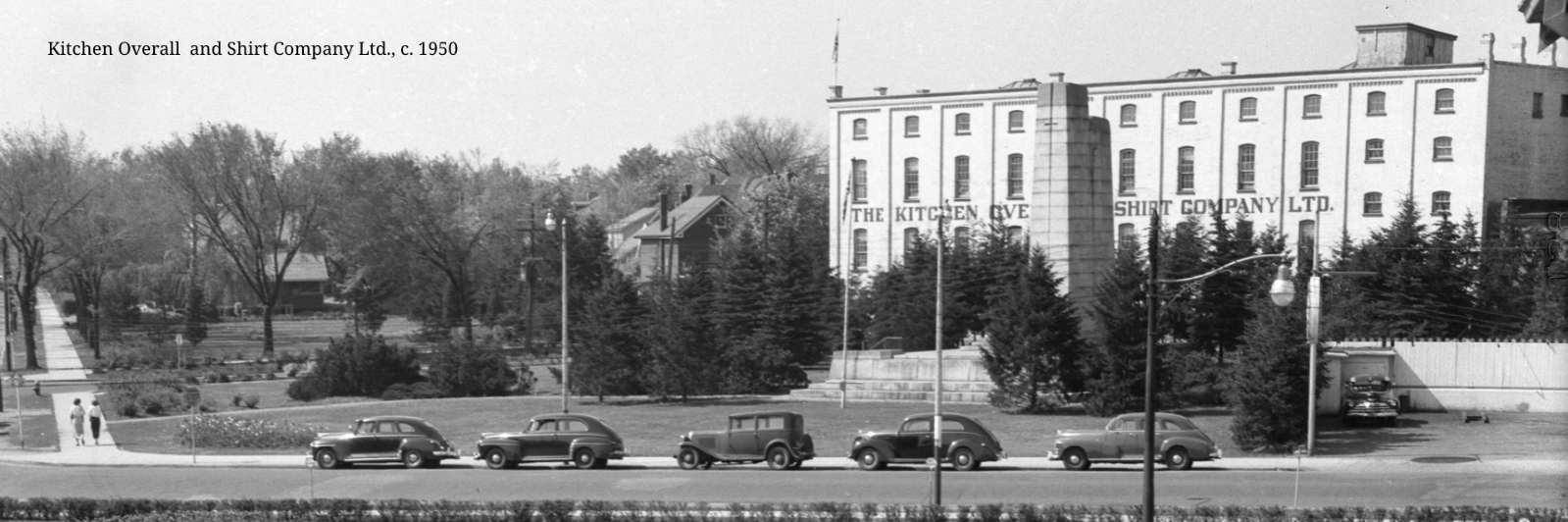
Kitchen Overalls
Founded in the early twentieth century, the Kitchen Overall and Shirt Company became one of Brantford’s most prominent garment manufacturers. Producing durable workwear for Canadian labourers, the company grew alongside the city’s industrial expansion, providing steady employment and contributing to Brantford’s reputation as a manufacturing hub (Brantford Expositor, 1927).
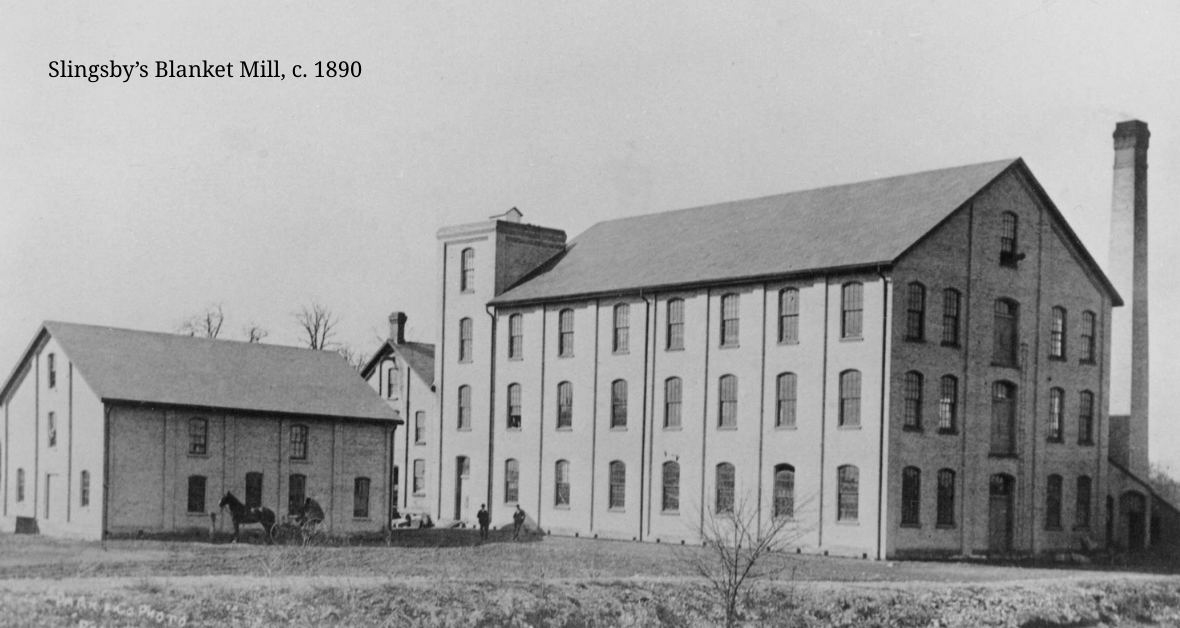
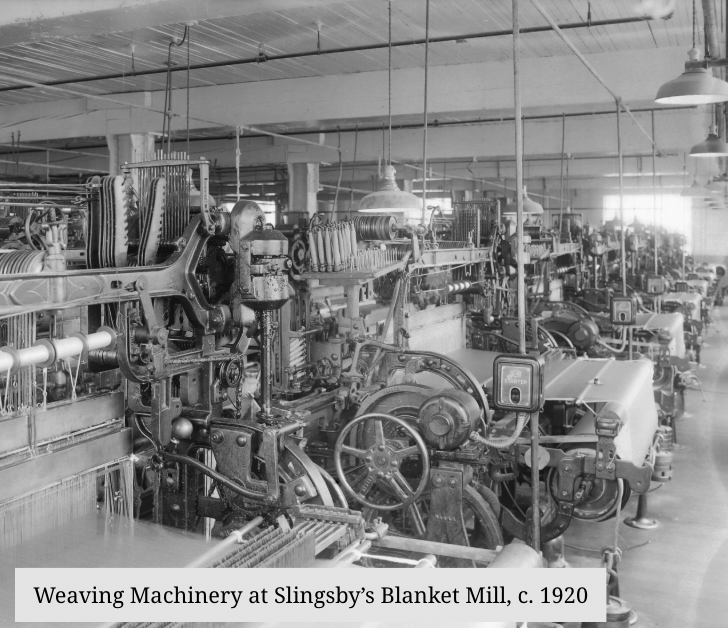
Slingsby’s Wool Mill
Slingsby’s Wool Mill was another key player in Brantford’s textile economy, producing woollen goods such as blankets and yarn. Wool mills like Slingsby’s supported both local agriculture and manufacturing, linking rural wool production with urban industry and reinforcing the region’s interconnected economic system (Brantford Expositor, 1927).
Mary Maxim
Mary Maxim represents a different chapter in textile history—one rooted in craft, creativity, and community. Founded in the 1930s, the company became widely known for its knitting patterns and yarn, eventually growing into a major mail-order business based in Paris, Ontario. Mary Maxim’s success highlights how fibre-based industries evolved beyond factory production into home craft and consumer culture (Mary Maxim, n.d.).
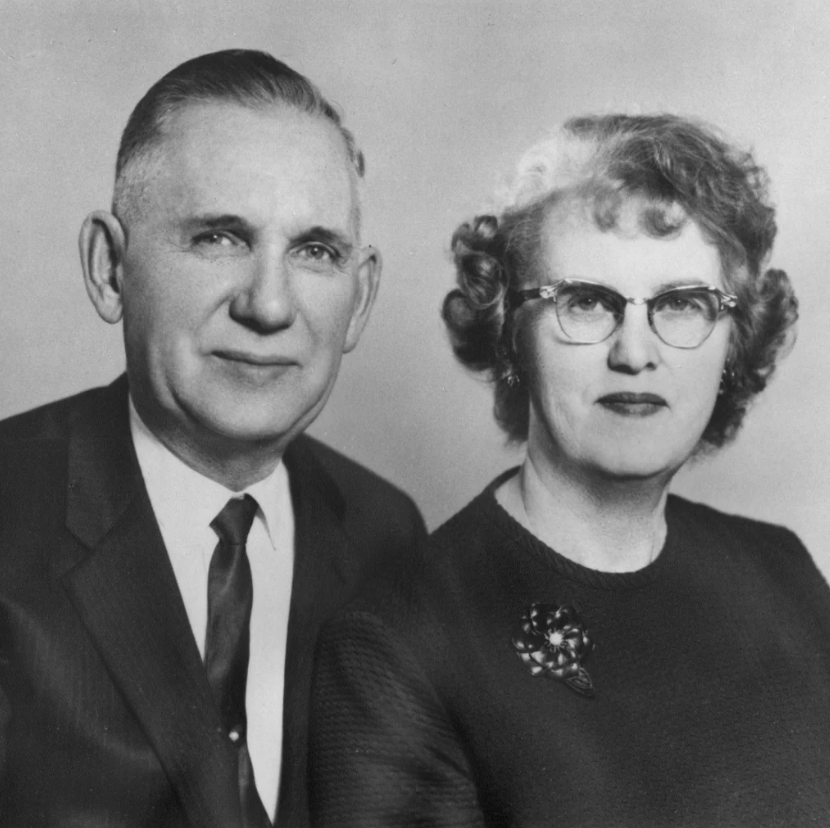
The above image shows the Founders of Mary Maxim, Willard & Olive McPhedrain
A Living Industrial Legacy
By examining these manufacturers together, Common Threads reveals how textiles were deeply woven into the social, economic, and cultural fabric of Brantford and Brant County. More than an account of production and industry, the exhibit invites visitors to see familiar materials in a new light—connecting fabric and fibre to the labour, resilience, and creativity of the people behind them. In doing so, Common Threads affirms that Brantford’s textile history is not a closed chapter, but a living legacy that continues to shape local identity, community memory, and conversations about work, innovation, and heritage today.
References
Brantford Expositor. (1927). Brantford Expositor, Semi-Centennial Edition, 1877–1927. Brantford, ON.
Mary Maxim. (n.d.). About us. https://www.marymaxim.ca/pages/about-us